Why You Need to Leverage Pinterest to Grow Your Instagram Business Faster
With so many business owners struggling to see growth or any results on Instagram this year, and META seemingly indifferent, a lot of people are branching out their marketing efforts and turning to other social media platforms.
Where you go online and what you do will depend on a lot of things, but most importantly—where your target audience hangs out.
Our biggest recommendation for any business owner? Pinterest!
I know the thought of being on yet another platform can be daunting, but hear me out—for the sake of your business, there’s a really good reason to be on both Instagram and Pinterest!
Pinterest & Instagram: How to Use Both to Grow Your Online Business
When it comes to marketing your business, Pinterest and Instagram serve distinct yet complementary roles in your overall strategy. Each platform excels at different stages of the marketing funnel, and understanding these differences can help you maximize your reach and engagement.
Pinterest: The Top of Your Online Marketing Funnel
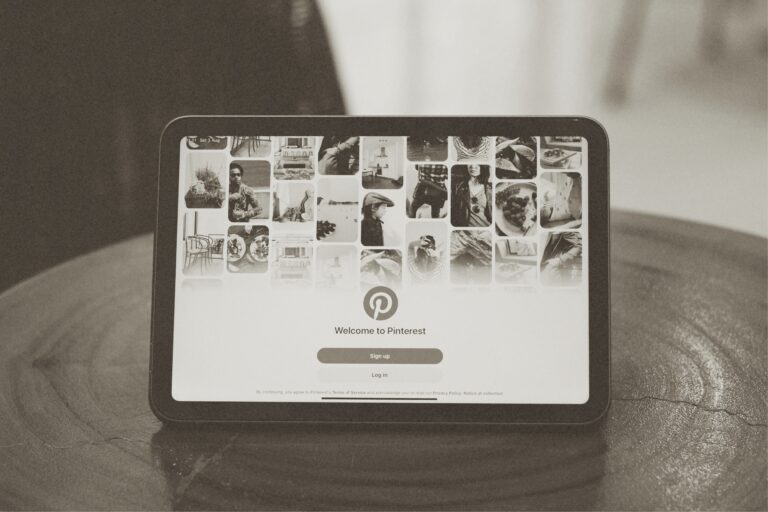
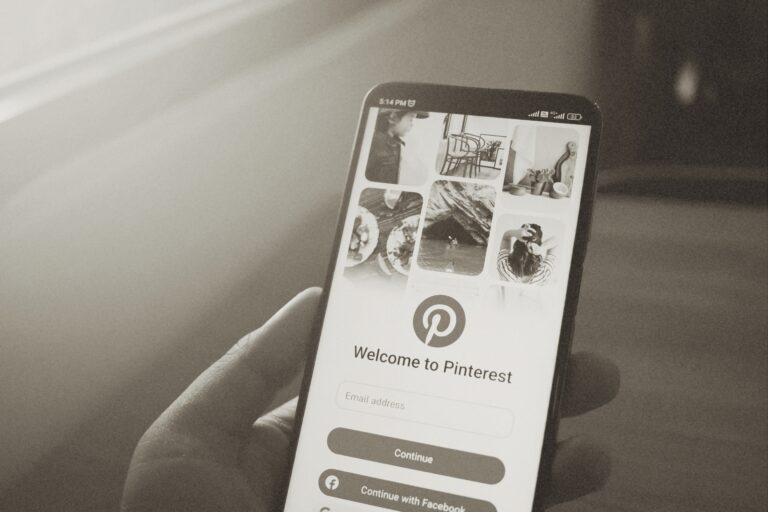
Pinterest is where people go when they want to discover something new. It’s like a visual search engine where users actively look for ideas, inspiration, and solutions. Whether it’s home decor, meal prep, or fashion trends, they’re searching for content that solves their problems or sparks their creativity.
For your business, Pinterest is the perfect place to attract a broad audience. By using the right keywords and creating attractive, informative content, you can drive a ton of organic traffic to your website, social media channels, shop, or blog. The focus here isn’t on chasing trends but on creating evergreen content that continues to draw visitors long after it’s posted. One of the best things about Pinterest is that you can create multiple pins that lead back to a single piece of content, so you can expand your reach without constantly having to generate new material.
Think of Pinterest as the top of your marketing funnel—the place where people first discover your brand.
Instagram: The Rest of Your Online Marketing Funnel
Once you’ve attracted an audience through Pinterest, Instagram is where you take things to the next level. While Pinterest is great for bringing new eyes to your content, Instagram is where you engage with that audience, build relationships, and turn that initial interest into real action.
Instagram is all about connection and interaction. It’s where you can show off your brand’s personality, interact with followers, and create a community around what you offer. Whether you’re sharing behind-the-scenes glimpses, hosting giveaways, or engaging through DMs and comments, Instagram helps you deepen the relationship that started on Pinterest.
So, while Pinterest attracts new audiences, Instagram is where you convert them into loyal followers and customers. Together, they form a powerful marketing funnel that amplifies your brand’s reach and engagement.
Pinterest vs. Instagram: The Key Differences
Understanding the key differences between Pinterest and Instagram will help you leverage both platforms effectively in your marketing strategy.
Pinterest Is a Search Engine, Not a Social Media App
Pinterest is a visual search engine, similar to Google. Users actively search for ideas, inspiration, and solutions, and your content can be one of the results they find. It’s a platform designed for discovery.
In contrast, Instagram is primarily a social media app where people share personal moments and connect with others. While it has a search feature, Instagram’s content discovery isn’t intent-driven like Pinterest’s, instead it’s primarily driven by user behavior and engagement.
Pinterest Drives Discovery, While Instagram Builds Community
Pinterest is all about discovery. Users come to the platform when they want to be inspired or find solutions, whether they’re planning a wedding or redecorating their room. It allows users to seek out new ideas and save them for later use, so your pins can keep bringing in traffic over time.
Instagram, on the other hand, is centered around real-time interaction and engagement. It’s where you go to build relationships, foster community, and stay on top of trends. On Instagram, you’re not just discovering new things—you’re also commenting, liking, sharing, and participating in the moment.
Pinterest Content Has a Longer Lifespan Than Instagram Content
One of Pinterest’s biggest advantages is the longevity of your content. Pins can remain relevant and discoverable for months or even years, driving traffic to your website long after they’ve been posted. This makes Pinterest a valuable platform for creating content with a lasting impact.
Instagram’s content has a much shorter lifespan. Your posts quickly get buried in the feed, so in order to stay relevant, you need to keep producing new content almost every day.
Pinterest Is for Evergreen Content, Unlike Instagram’s Trend Focus
Pinterest content is often evergreen, meaning it stays relevant regardless of the latest trends. Whether it’s a timeless recipe, a DIY project, or a guide on choosing the perfect home office setup, pins continue to provide value over time.
Instagram thrives on trends. The platform is all about what’s hot right now—be it trending audios, viral pop-culture trends, or the latest memes. To stay relevant on Instagram, you need to be on top of these trends and ready to pivot your content accordingly.
Pinterest Is Low Effort, Instagram Requires High Maintenance
Pinterest is low-maintenance by design. Since pins have a longer shelf life and don’t rely heavily on engagement metrics like likes or comments, you don’t need to constantly create new content or interact with followers. You can set up your boards, schedule your pins, and let the platform do all the work for you.
Instagram, as we all know, is high-maintenance. The platform demands consistency and engagement. To grow your following and maintain visibility, you need to post regularly, interact with your audience, and stay on top of trends. When it comes to business accounts, managing an Instagram presence has become a full-time job.
How to Start Marketing Your Brand on Pinterest
Now that you understand the key differences between Pinterest and Instagram, you might be convinced that Pinterest is worth your time. But where do you start?
Here’s a step-by-step guide to getting your business set up and thriving on Pinterest.
1. Create a Business Account (or Switch Your Existing One)
Just like on Instagram, having a business account on Pinterest gives you access to a ton of benefits, like analytics and ad features. You can track your performance, promote your pins, and get insights into what’s working and what isn’t. If you already have a personal Pinterest account, don’t worry—you can easily switch it to a business account without losing any of your existing content.
2. Set Up Your Profile Pic, Cover Photo, and Description
First impressions matter, right? Just like on any platform, having a strong profile is essential. Make sure your profile picture, cover photo, and description clearly reflect your brand and what you offer. Use relevant keywords in your description to improve your profile’s visibility in search results.
3. Claim Your Website and Instagram Account
Claiming your website and Instagram account on Pinterest is a smart move. It maximizes Pinterest’s impact on your overall marketing efforts by giving you access to better insights and a wider reach. It also makes it easier for users to share your content across platforms.
But don’t let Pinterest auto-post your Instagram content. Your Instagram posts aren’t optimized for Pinterest, and repurposing them specifically for the platform will give you better results.
4. Do SEO Research
Remember, Pinterest is a search engine. That means SEO (Search Engine Optimization) is crucial to your success on the platform. You need to know what your audience is searching for and create content that matches those queries.
The easiest way to start is by typing in your main keyword and see what Pinterest suggests. These suggestions show what people are searching for right now, so use them in your pin titles, descriptions, and board names to increase your discoverability.
5. Create Relevant Boards with Keyword-Infused Descriptions
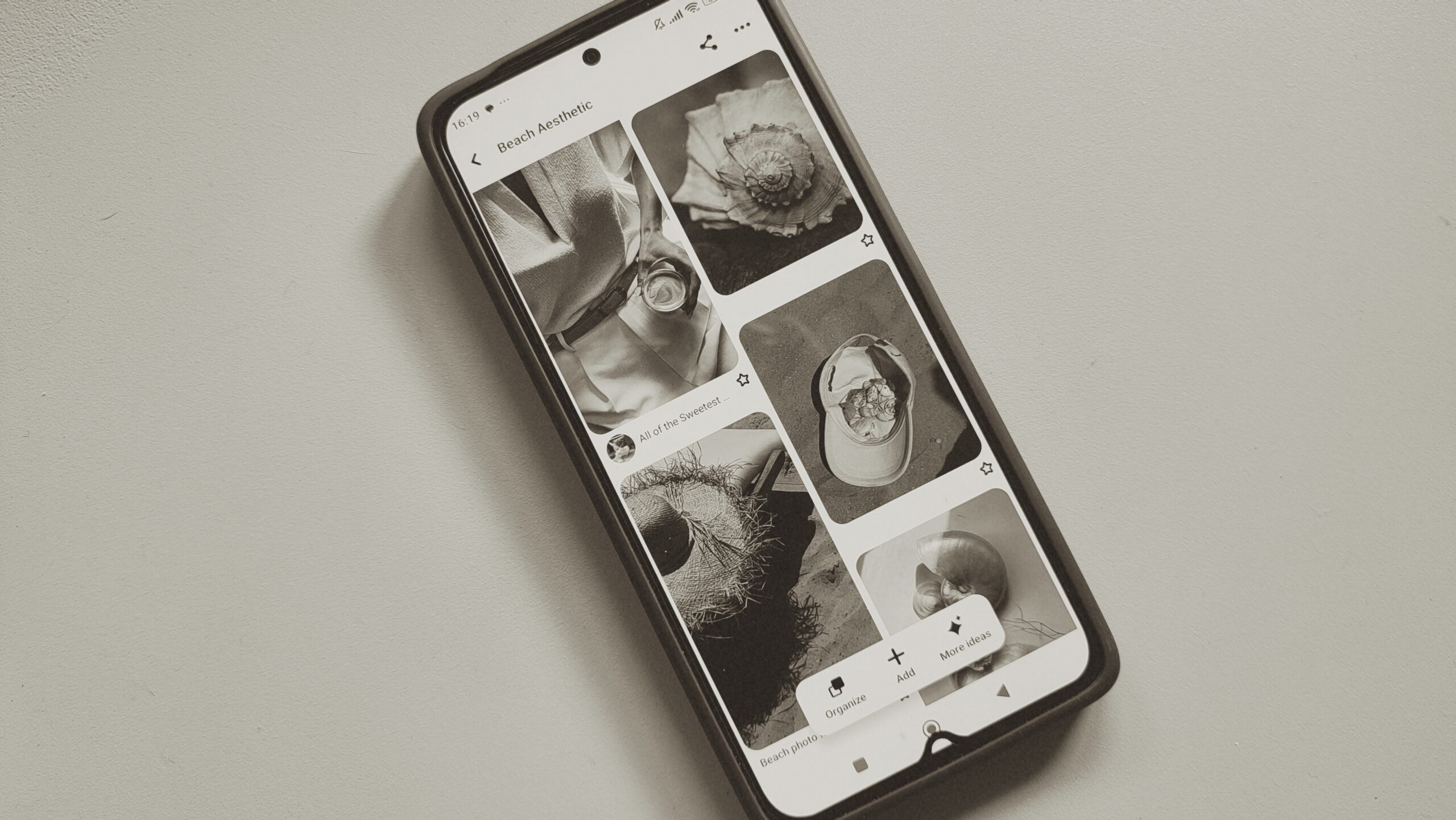
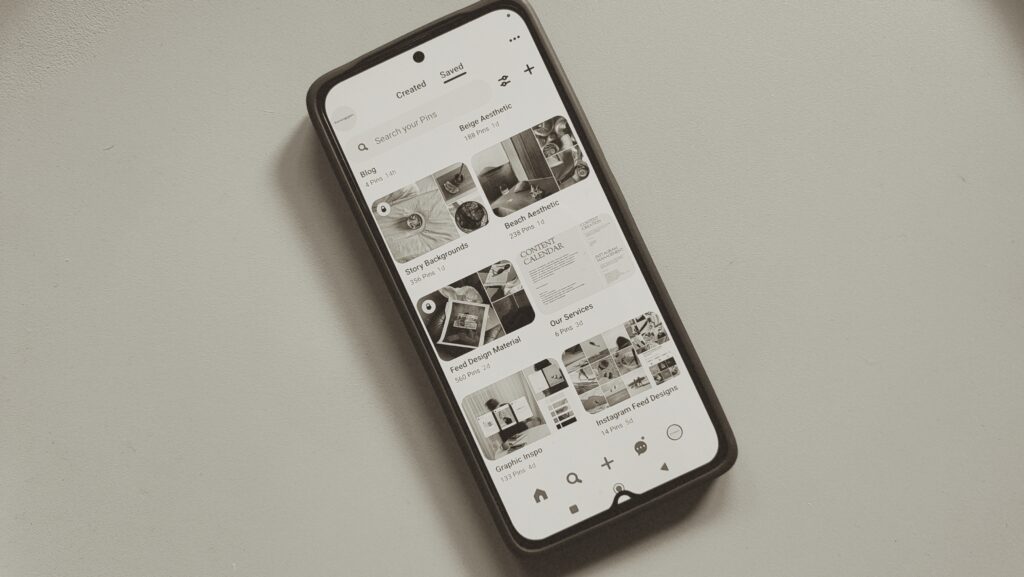
Think of boards like folders for your pins. Organize your content into themed boards with keyword-packed names and descriptions. Not only does this make your profile more appealing to users, but it also helps people find your content when they search.
6. Create Relevant, High-Quality Pins
When creating relevant, high-quality pins, you don’t need to start from scratch every time. Repurposing existing content is a smart move on Pinterest. Plus, not all your pins need to be original—repinning valuable content from other users is just as important. It helps you provide value to your followers, keeps your boards fresh, and can even build connections with other Pinterest users, expanding your reach.
7. Track Your Performance
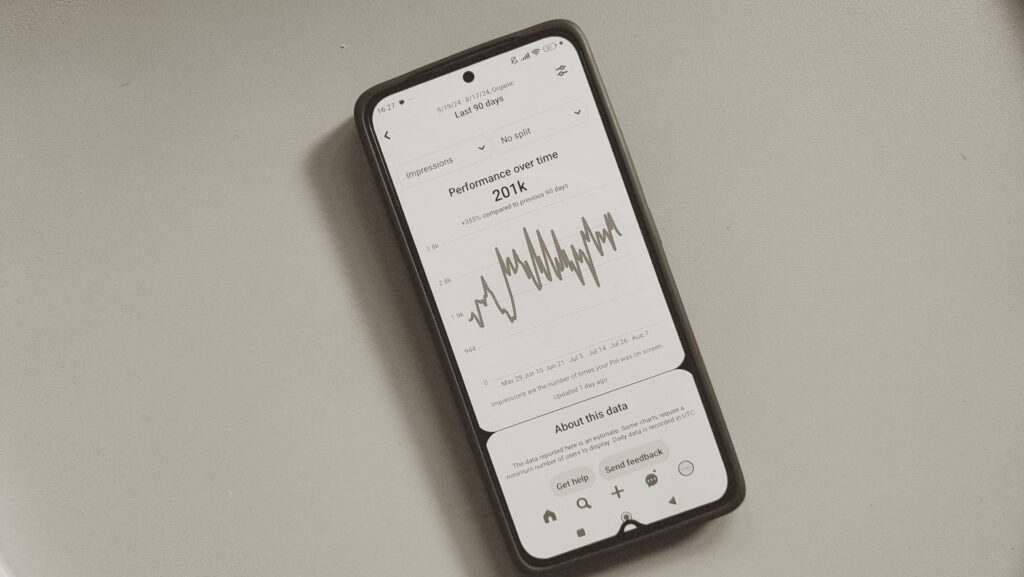
Just like with any marketing strategy, you need to keep an eye on your results. Pinterest has analytics that let you see exactly how your pins and boards are performing. Use this data to tweak your strategy and keep growing your presence on the platform.
Conclusion
Pinterest isn’t just an optional extra in your social media strategy—it’s a powerful tool for driving traffic, building brand awareness, and ultimately, growing your business. By understanding how Pinterest and Instagram complement each other, you can create a cohesive marketing funnel that attracts new audiences and turns them into loyal customers. So, don’t wait—start leveraging Pinterest today and watch your Instagram business thrive.